 seolounge
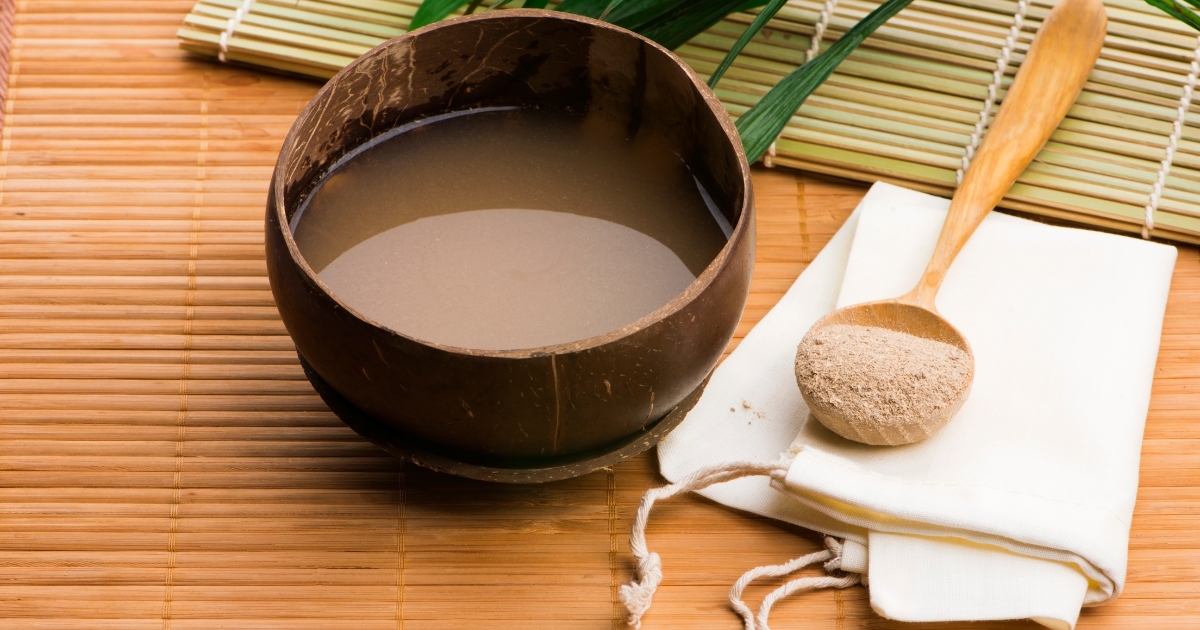
Over the past decade, kava drinks and kratom have become increasingly popular across the United States. Found in wellness shops, specialty cafés, and kava bars, these botanical products have attracted attention from people looking for alternative social beverages and herbal experiences. While both originate from plants and are often served in similar environments, kava and kratom are very different in their history, effects, preparation, and cultural significance.
As kava bars continue to expand throughout states like Florida, California, and Texas, more people are becoming curious about these beverages and the communities built around them. Understanding the origins and differences between kava drinks and kratom can help newcomers better appreciate the culture surrounding these increasingly popular botanical products.
What Is Kava?
Kava is a traditional beverage made from the root of the kava plant, scientifically known as Piper methysticum. The plant originates from the South Pacific islands, where it has been used for centuries in ceremonial, social, and cultural gatherings.
Countries such as Fiji, Tonga, Samoa, and Vanuatu have long histories of preparing and drinking kava. Traditionally, the root is ground, mixed with water, and strained to create a drink known for its earthy flavor and relaxing qualities.
Today, kava drinks are commonly served in modern kava bars throughout the United States. These establishments often provide a calm and social atmosphere where customers gather to relax, work, socialize, or enjoy live entertainment.
What Is Kratom?
Kratom comes from the leaves of the Mitragyna speciosa tree, a tropical plant native to Southeast Asia. Historically, kratom has been used in countries like Thailand, Indonesia, and Malaysia.
The leaves are typically dried and processed into powders, capsules, teas, or extracts. In many modern kava bars, kratom beverages are served alongside kava drinks, although the two substances are distinct and produce different experiences.
Kratom has gained popularity in recent years due to growing consumer interest in botanical products and alternative wellness communities. It is commonly available in specialty shops and online retailers across the United States.
The Growing Popularity of Kava Bars
One of the biggest reasons both kava drinks and kratom have become more widely known is the rapid growth of kava bars. These establishments offer an alternative to traditional nightlife by focusing on relaxed social experiences instead of alcohol-centered environments.
Many kava bars feature:
- Comfortable lounge seating
- Tropical-inspired décor
- Relaxed music
- Open mic nights
- Community events
- Art showcases
- Late-night social spaces
The atmosphere inside a kava bar is often calm and welcoming. Customers may spend hours talking with friends, working remotely, or simply enjoying the laid-back environment.
Unlike loud clubs or crowded sports bars, kava bars typically emphasize conversation, creativity, and community.
Kava Drinks and Their Preparation
Traditional kava preparation involves grinding the kava root into a fine material before mixing it with water. The liquid is then strained and served in bowls or cups.
Modern kava bars have expanded the menu significantly, offering various styles of kava beverages, including:
- Traditional kava shells
- Flavored kava drinks
- Frozen kava beverages
- Kava teas
- Botanical blends
- Fruit-infused kava drinks
Kava is known for its earthy and somewhat peppery flavor, although many modern recipes attempt to make the taste smoother and more approachable for new customers.
Some bars even create specialty menu items with tropical fruits, coconut flavors, or herbal combinations to improve the overall drinking experience.
Kratom Drinks and Modern Trends
Like kava, kratom beverages have evolved into a variety of modern drink options. Many kava bars offer kratom teas, fruit-based blends, or chilled botanical drinks designed for social settings.
Kratom drinks are often marketed as alternatives to traditional energy beverages or alcohol-based nightlife options. Some customers prefer kratom bars because they provide a different social atmosphere compared to conventional bars or clubs.
The rise of botanical cafés and herbal wellness culture has also contributed to the popularity of kratom products in recent years.
Cultural Origins and Traditions
Although kava and kratom are often grouped together in modern American kava bars, their cultural histories are very different.
Kava has deep ceremonial significance throughout the South Pacific. In many island cultures, kava ceremonies symbolize respect, hospitality, and community. Drinking kava traditionally involves social rituals and shared experiences that have been passed down through generations.
Kratom, on the other hand, has historically been associated with laborers and traditional herbal practices in Southeast Asia. Farmers and workers in countries like Thailand and Indonesia have used kratom leaves for centuries within local cultural traditions.
Understanding these origins helps many enthusiasts appreciate the historical roots behind the modern botanical beverage industry.
The Social Atmosphere Around Botanical Drinks
One reason people are drawn to kava drinks and kratom bars is the atmosphere surrounding them. Many customers enjoy the sense of community that these spaces create.
Kava bars often attract:
- Artists
- Musicians
- Entrepreneurs
- Students
- Wellness enthusiasts
- Remote workers
The environment is usually quieter and more conversation-focused than traditional nightlife settings. Instead of loud music and crowded dance floors, many kava bars prioritize relaxation and social connection.
This growing “alternative nightlife” movement appeals to individuals seeking calmer and more wellness-oriented social experiences.
Wellness and Lifestyle Trends
The popularity of kava drinks and kratom also reflects broader wellness trends. Many consumers today are interested in herbal products, plant-based lifestyles, and alcohol-free social environments.
As sober-curious culture continues to grow, people are increasingly searching for alternatives to traditional nightlife. Botanical beverage bars have emerged as one response to this shift.
Social media has also helped fuel interest in kava and kratom culture. Videos, blogs, and online communities discussing botanical drinks have introduced millions of people to these products and the unique lifestyles surrounding them.
The Future of Kava and Kratom Culture
As the botanical beverage industry continues to grow, kava bars are becoming more mainstream in cities across the United States. What was once considered a niche subculture is now evolving into a recognizable part of modern nightlife and wellness communities.
Many entrepreneurs are opening new kava lounges and botanical cafés designed to provide calm social environments that differ from traditional bars.
The future of kava and kratom culture will likely continue to blend wellness trends, social connection, and alternative nightlife experiences.
Final Thoughts
Kava drinks and kratom have become important parts of a growing botanical beverage movement in the United States. While they come from different plants and cultural traditions, both have found a place within modern kava bar culture and wellness-focused social spaces.
From traditional South Pacific kava ceremonies to modern botanical lounges in American cities, these beverages represent more than just drinks—they reflect changing attitudes toward relaxation, community, and social experiences.
As interest in alcohol alternatives and wellness culture continues to rise, kava bars and botanical cafés are likely to remain popular gathering spaces for people looking for something calmer, more social, and more connected than traditional nightlife.