 seolounge
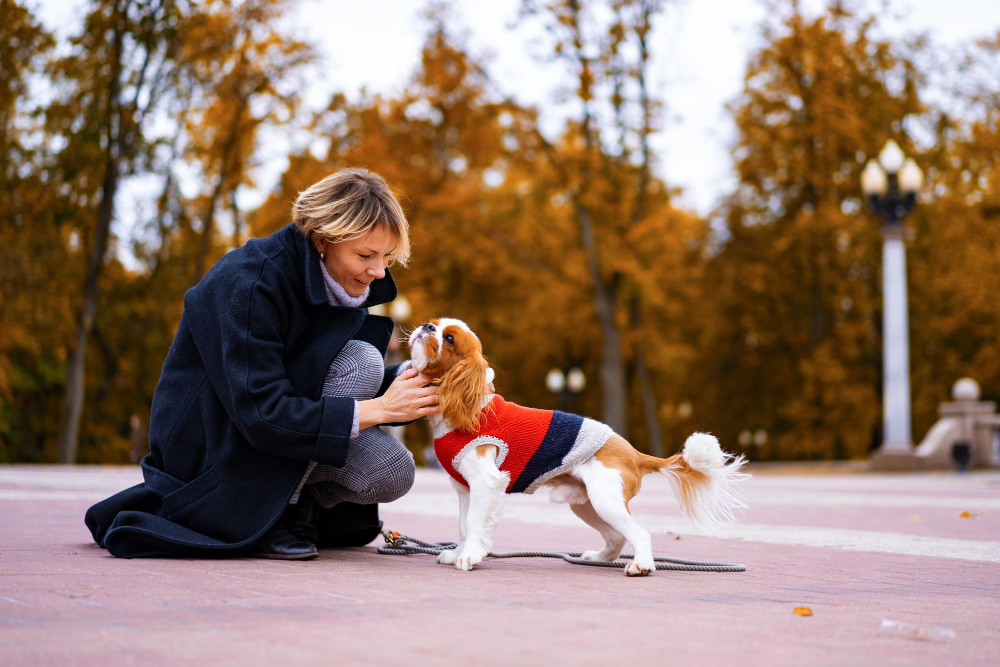
For many people, pets are part of the rhythm of daily life. Feeding them, walking them, cleaning up after them, or simply playing together often happens without much thought. After a personal injury, those familiar routines can suddenly feel more demanding. Even small tasks connected to pet care may require planning, pacing, or help.
This change is subtle but meaningful, and it’s something people sometimes mention when speaking with a Personal Injury Lawyer while describing how their injury affected everyday responsibilities.
Simple Pet Tasks Require More Effort
Pet care often involves bending, lifting, walking, or quick reactions. After an injury, these actions may cause discomfort or fatigue.
People may struggle with:
- Bending to fill food or water bowls
- Lifting pet supplies
- Walking dogs for usual distances
- Cleaning litter boxes or cages
Tasks that once felt automatic may now take extra time and energy.
Walking Pets Becomes a Physical Challenge
For pet owners, walks are often routine. After an injury, they can become unpredictable.
Common concerns include:
- Maintaining balance while walking
- Managing pulling or sudden movement
- Standing for extended periods
- Recovering from soreness afterward
Short walks may replace longer ones, changing daily routines for both owner and pet.
Emotional Guilt Can Appear Quietly
Many injury victims feel guilty when they can’t care for their pets in the same way as before.
This guilt may involve:
- Feeling like a pet’s routine has been disrupted
- Worrying about reduced activity or stimulation
- Needing help from others
- Comparing current care to past habits
These feelings are common, even when pets are well cared for.
Pets May Sense Changes Before People Do
Animals often respond to changes in routine or energy.
Owners may notice:
- Pets staying closer than usual
- Increased alertness or calm behavior
- Changes in playfulness
- Adjustments in daily patterns
These shifts can be comforting, but also remind owners of their limitations.
Asking for Help With Pet Care Can Be Difficult
Many people are used to managing pet responsibilities independently. After an injury, accepting help can feel uncomfortable.
This may include:
- Asking others to walk or feed pets
- Adjusting schedules around availability
- Letting go of control over routines
Needing assistance can feel emotionally challenging, not just practical.
Why This Change Often Goes Unnoticed
Pet care happens mostly at home, making these struggles invisible to others.
As a result:
- The effort involved is underestimated
- Fatigue related to pet care is overlooked
- Emotional stress goes unrecognized
Yet these responsibilities continue every day, regardless of injury.
Why Pet Care Changes Matter in Injury Cases
When someone consults a Personal Injury Lawyer, changes in the ability to care for pets help show how an injury affects daily living and independence.
These changes can reflect:
- Physical limitations
- Emotional strain
- Lifestyle adjustments
- Ongoing responsibilities impacted by injury
They help paint a fuller picture of life after an accident.
Adapting Routines Without Losing Connection
Over time, many injury victims find ways to adapt pet care routines.
This may involve:
- Shorter but more frequent walks
- Using tools or supports
- Adjusting play activities
- Creating new, low-impact bonding routines
Connection remains, even if routines change.
Conclusion
A personal injury can quietly reshape the way people care for their pets. Tasks that once felt effortless may require adjustment, patience, or support. These changes affect both daily routine and emotional well-being.