 seolounge
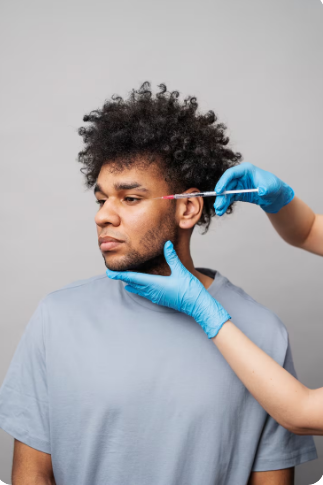
Hair transplantation has become one of the most effective and permanent solutions for hair loss. With modern techniques delivering natural-looking results and minimal downtime, more people are choosing surgical restoration to regain confidence. However, successful hair restoration is not only about the procedure itself — it is also about creating the right internal environment for optimal healing and long-term growth.
This is where bioresonance therapy is increasingly discussed as part of a complementary, holistic approach.
What Is Bioresonance Therapy?
Bioresonance therapy is a non-invasive method that aims to assess and support the body’s natural regulatory systems using electromagnetic frequency principles. The concept is based on the idea that cells, tissues, and organs emit specific frequencies, and imbalances in these frequencies may reflect underlying stress or dysfunction.
Supporters of bioresonance therapy suggest it may help with:
- Reducing stress-related symptoms
- Supporting detoxification processes
- Managing sensitivities or allergies
- Enhancing overall balance within the body
Clinics such as Gold City offer integrative treatment options designed to complement traditional medical care.
Understanding Hair Transplantation
Hair transplantation is a surgical procedure that relocates healthy hair follicles from a donor area (usually the back of the scalp) to areas experiencing thinning or baldness.
The most common techniques include:
Follicular Unit Extraction (FUE)
Individual follicles are extracted and implanted carefully into the recipient area. This method leaves minimal scarring and promotes faster recovery.
Direct Hair Implantation (DHI)
A refined method where follicles are implanted directly using a specialized tool, allowing for precise angle and density control.
These procedures offer permanent and natural results when performed correctly. However, post-procedure healing and long-term follicle health remain important factors in achieving the best outcome.
Why Internal Balance Matters for Hair Health
Hair growth depends on multiple internal factors, including:
- Hormonal balance
- Nutritional status
- Stress levels
- Immune system regulation
- Scalp circulation
While hair transplantation addresses visible hair loss, underlying stress or systemic imbalances may still influence hair quality and recovery.
Some individuals explore complementary approaches such as bioresonance therapy as part of a broader wellness plan.
Bioresonance Therapy as a Complementary Approach
Although bioresonance therapy is not a surgical treatment for hair loss, it is sometimes considered by patients who want to:
- Support stress management before or after surgery
- Promote overall well-being during recovery
- Address sensitivities that may affect scalp health
- Improve lifestyle factors linked to hair vitality
Stress, for example, is widely recognized as a contributing factor in certain forms of hair thinning. A calmer, balanced physiological state may support the body’s natural recovery processes.
It is important to note that bioresonance therapy should be viewed as complementary rather than a replacement for evidence-based medical treatments such as hair transplantation.
Preparing for a Hair Transplant Procedure
Before undergoing a hair transplant, patients are typically advised to:
- Complete a medical consultation
- Review current medications
- Ensure scalp health
- Maintain a balanced diet
- Avoid smoking and excessive alcohol consumption
A comprehensive approach that supports overall wellness may enhance surgical outcomes and recovery comfort.
Recovery and Long-Term Care
After a hair transplant procedure, proper aftercare is essential for graft survival and optimal results.
Standard recommendations often include:
- Gentle scalp hygiene
- Avoiding heavy physical activity for a short period
- Protecting the scalp from direct sunlight
- Following medical instructions carefully
Some individuals integrate complementary wellness therapies during recovery to support relaxation and systemic balance.
A Holistic View of Hair Restoration
Modern hair restoration is increasingly patient-centered. Rather than focusing solely on cosmetic correction, many individuals seek a broader understanding of what influences hair health.
A holistic strategy may involve:
- Professional surgical expertise
- Nutritional awareness
- Stress management
- General wellness optimization
- Complementary supportive therapies
When these elements are combined thoughtfully, patients often feel more confident in both their aesthetic and overall health journey.
Final Thoughts
Hair transplantation remains one of the most effective long-term solutions for pattern hair loss. However, supporting the body’s internal balance can play a valuable role in recovery and overall well-being.
Bioresonance therapy is one complementary option that some patients explore alongside medical treatments. As with any therapy, consultation with qualified healthcare professionals is essential to determine what is appropriate for individual needs.
By combining advanced hair restoration techniques with a comprehensive wellness mindset, individuals can approach hair recovery with greater confidence and clarity.