 seolounge
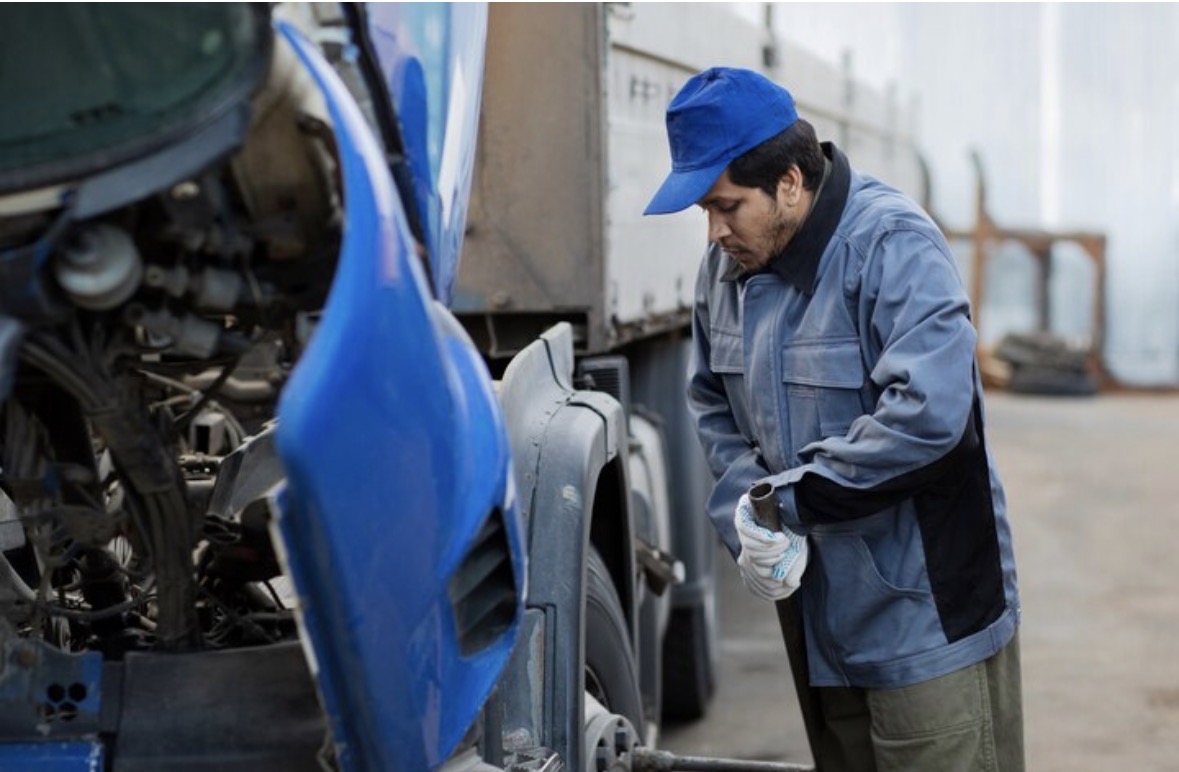
One of the most common mistakes fleet operators make is neglecting regular maintenance. Truck Wash Equipment requires routine inspections of pumps, hoses, brushes, and nozzles. Failing to perform maintenance can lead to equipment breakdowns, inconsistent cleaning, and costly repairs. Establishing a maintenance schedule ensures reliable performance and extends the lifespan of your equipment.
Using Incorrect Detergents or Chemicals
Not all cleaning agents are suitable for all types of trucks or wash systems. Using harsh or incompatible detergents can damage vehicle surfaces and harm the equipment. Always follow the manufacturer’s recommendations for detergents and cleaning solutions to protect both your fleet and your Truck Wash Equipment.
Overlooking Water Quality and Filtration
Water quality plays a significant role in cleaning efficiency and equipment longevity. Hard water can cause mineral buildup, while debris can clog nozzles and filters. Regularly monitoring water quality and maintaining filtration systems helps ensure optimal cleaning performance and prevents damage to pumps and hoses.
Ignoring Proper Training for Operators
Even high-quality Truck Wash Equipment can perform poorly if operators are not trained correctly. Improper use, such as running the wrong cycle or misadjusting nozzles, can lead to subpar cleaning, equipment wear, or even vehicle damage. Providing thorough training for staff helps prevent mistakes and maximizes equipment efficiency.
Neglecting Safety Protocols
Truck wash operations involve high-pressure water, moving parts, and detergents. Ignoring safety protocols can result in injuries or accidents. Operators should follow all safety guidelines, wear protective gear, and ensure the equipment is properly shut down during maintenance. A focus on safety protects employees and prevents downtime due to accidents.
Failing to Adjust for Vehicle Types and Conditions
Different trucks and levels of dirt require customized cleaning settings. Using the same wash cycle for all vehicles may lead to missed spots, excessive water usage, or surface damage. Modern Truck Wash Equipment often allows for adjustable settings; operators should use them to optimize cleaning efficiency and protect vehicle surfaces.
Conclusion
Avoiding these common mistakes ensures that Truck Wash Equipment operates efficiently, safely, and effectively. Regular maintenance, proper chemical use, water quality management, operator training, and adherence to safety protocols all contribute to optimal performance. By addressing these areas, fleet operators can maximize the lifespan of their equipment, reduce downtime, and keep their vehicles clean and professional.