 seolounge

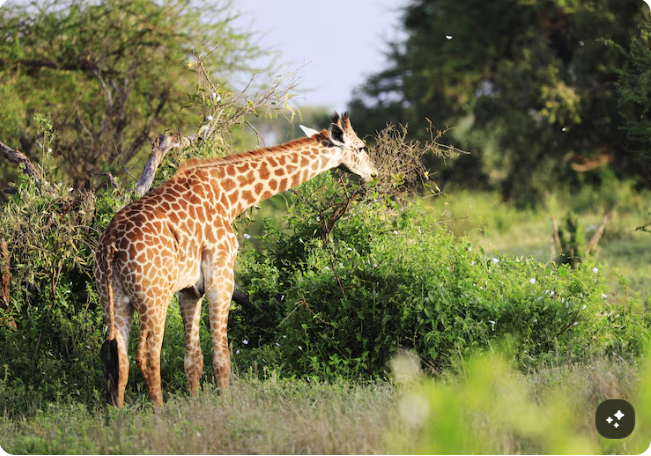
The Ultimate Tanzania Safari Experience: Discover the Best of Tanzania’s Wildlife, Wilderness and Tropical BeachesIntroduction: Experience the Extraordinary Beauty of Tanzania
Tanzania is one of Africa’s most spectacular safari destinations, offering an extraordinary combination of wildlife encounters, breathtaking natural landscapes, fascinating cultural experiences and beautiful tropical beaches.
From the endless grasslands of the Serengeti to the magnificent Ngorongoro Crater, the elephant-rich landscapes of Tarangire and the remote wilderness of Ruaha, Tanzania offers some of the most rewarding wildlife experiences anywhere in Africa.
Beyond its famous national parks, the country is home to Mount Kilimanjaro, the beautiful beaches of Zanzibar, the historical attractions of Stone Town and the magnificent freshwater landscapes of Lake Victoria and Lake Tanganyika.
An ultimate Tanzania safari experience brings all these attractions together, allowing travellers to explore the country’s remarkable natural diversity through wildlife safaris, mountain adventures, cultural excursions and beach holidays.
Whether you are dreaming of witnessing the Great Wildebeest Migration, encountering the Big Five, exploring remote southern Tanzania, climbing Africa’s highest mountain or relaxing along the Indian Ocean coastline, Tanzania offers an unforgettable African adventure.
1. Witness the Great Wildebeest Migration in Serengeti National Park
The Great Wildebeest Migration is among the world’s most extraordinary wildlife spectacles and one of the biggest reasons travellers choose Tanzania for their African safari.
Every year, millions of wildebeest, accompanied by zebras and gazelles, move across the Serengeti ecosystem in search of fresh grazing and water.
This remarkable natural cycle creates exceptional opportunities for wildlife viewing, photography and predator encounters.
Southern Serengeti: Experience the Wildebeest Calving Season
The southern Serengeti and Ndutu region are particularly famous for the annual wildebeest calving season, generally taking place around January and February.
During this period, thousands of wildebeest calves are born across the open grasslands, attracting predators such as lions, cheetahs, leopards and hyenas.
Visitors can witness the remarkable relationship between predator and prey while exploring one of Africa’s most productive wildlife ecosystems.
Western Serengeti: Follow the Migration Herds
The western corridor offers another exciting migration experience.
As the herds move northwards, they travel through woodland areas and along the Grumeti River system.
This region provides opportunities to observe large wildlife concentrations and predator activity.
Northern Serengeti: Discover the Mara River Crossings
The northern Serengeti is internationally famous for its dramatic wildebeest river crossings.
During the migration season, enormous herds gather along the Mara River before attempting to cross its crocodile-inhabited waters.
The crossings are unpredictable, making patience and good safari positioning essential.
Central Serengeti: Enjoy Year-Round Wildlife Viewing
The central Serengeti, particularly the Seronera region, is one of Tanzania’s most rewarding wildlife destinations.
Its resident wildlife populations make it excellent for spotting lions, leopards, cheetahs, elephants, giraffes and other animals throughout the year.
A Serengeti Great Migration safari is an essential part of an ultimate Tanzania wildlife adventure.
2. Explore the Magnificent Ngorongoro Crater
The Ngorongoro Conservation Area is one of Tanzania’s most spectacular natural attractions.
Its famous volcanic caldera contains a remarkable concentration of wildlife, making it one of the best places in East Africa to experience a classic African game drive.
Descending into the crater offers an opportunity to explore grasslands, seasonal wetlands, freshwater pools and woodland habitats.
Wildlife commonly encountered includes:
- African elephants.
- Lions.
- Leopards.
- Cape buffaloes.
- Black rhinoceroses.
- Spotted hyenas.
- Zebras.
- Wildebeest.
- Hippos.
The crater is particularly rewarding for travellers interested in searching for the Big Five within a relatively compact wildlife environment.
Visitors can also explore the wider Ngorongoro Conservation Area, including beautiful highland landscapes, Maasai communities and archaeological attractions such as Olduvai Gorge.
3. Discover Tarangire National Park and Its Giant Elephant Herds
Tarangire National Park is one of Tanzania’s most distinctive wildlife destinations.
The park is famous for its enormous elephant herds, ancient baobab trees and beautiful savannah landscapes.
During the dry season, the Tarangire River becomes an important water source, attracting elephants, zebras, wildebeest, buffaloes and numerous other animals.
Predators such as lions and leopards also inhabit the park.
Tarangire is particularly attractive to photographers because of its dramatic baobab scenery and opportunities to observe large elephant families.
A visit to Tarangire is an excellent addition to a northern Tanzania safari itinerary, especially when combined with Lake Manyara, Ngorongoro and Serengeti.
4. Experience Lake Manyara National Park
Lake Manyara National Park is a beautiful destination located along the Great Rift Valley escarpment.
Its diverse habitats include groundwater forests, open grasslands, woodland areas and the alkaline waters of Lake Manyara.
The park is famous for its birdlife, elephants, baboons and occasional tree-climbing lions.
Visitors can enjoy game drives while exploring the park’s beautiful scenery and searching for wildlife.
Lake Manyara is particularly suitable for travellers interested in combining wildlife viewing with birdwatching and scenic photography.
5. Explore Southern Tanzania’s Untamed Wilderness
While northern Tanzania receives much of the country’s safari attention, the southern safari circuit offers a different and often more remote wilderness experience.
The southern parks are particularly appealing to travellers seeking fewer crowds, extensive landscapes and adventurous safari experiences.
Ruaha National Park
Ruaha is Tanzania’s largest national park and one of East Africa’s most remarkable wilderness destinations.
The park features vast open plains, rocky hills, baobab woodlands and the Great Ruaha River.
It is particularly famous for its large elephant populations and excellent opportunities to encounter lions, leopards, cheetahs, wild dogs and other wildlife.
Ruaha offers an authentic wilderness atmosphere and is an excellent destination for extended game drives and photography.
Nyerere National Park
Nyerere National Park is one of Africa’s largest protected wildlife areas.
Its diverse habitats include open savannah, riverine forests, wetlands, woodland and extensive river systems.
The Rufiji River is one of its most important natural attractions, supporting hippos, crocodiles, elephants and numerous bird species.
Visitors can enjoy:
- Traditional 4×4 game drives.
- Boat safaris along the Rufiji River.
- Guided walking safaris where available.
- Birdwatching.
- Wildlife photography.
A Nyerere National Park safari offers a wonderful combination of traditional game viewing and water-based wildlife experiences.
Mikumi National Park
Mikumi is one of the most accessible southern Tanzania safari destinations, particularly for travellers starting their journey in Dar es Salaam.
Its open grasslands are often compared to the landscapes of the Serengeti.
Visitors can encounter elephants, lions, giraffes, zebras, buffaloes, wildebeest and numerous antelope species.
Mikumi is ideal for shorter safari holidays and can be combined with Udzungwa Mountains or Nyerere National Park.
Udzungwa Mountains National Park
Udzungwa is a beautiful destination for travellers interested in rainforest exploration, hiking and biodiversity.
Unlike traditional savannah parks, Udzungwa is characterized by tropical forests, mountain scenery and spectacular waterfalls.
Visitors can enjoy guided forest walks, birdwatching and hiking to the famous Sanje Waterfalls.
The park is particularly interesting for nature enthusiasts seeking experiences beyond conventional game drives.
Katavi National Park
Katavi is one of Tanzania’s most remote and less-visited wildlife destinations.
Its extensive floodplains, seasonal lakes and woodland habitats provide opportunities for exceptional wilderness experiences.
During the dry season, wildlife concentrates around remaining water sources, creating impressive encounters involving elephants, buffaloes, hippos and predators.
Katavi is particularly attractive to adventurous travellers looking for an exclusive and remote safari environment.
6. Discover Tanzania’s Famous Tree-Climbing Lions
Tanzania is among the destinations where visitors can encounter the unusual behaviour of tree-climbing lions.
Lake Manyara National Park is particularly famous for these remarkable predators, which are occasionally seen resting on large acacia and fig trees.
The behaviour is unusual among lions and offers fascinating opportunities for wildlife observation and photography.
Visitors may also encounter tree-climbing lions in other parts of Tanzania, although sightings are never guaranteed.
Combining Lake Manyara with Tarangire, Ngorongoro and Serengeti creates an excellent northern Tanzania safari adventure.
7. Climb Mount Kilimanjaro: Conquer Africa’s Highest Mountain
Mount Kilimanjaro is one of Tanzania’s most iconic natural attractions and the highest mountain in Africa.
Rising approximately 5,895 metres above sea level, the mountain attracts climbers and adventure enthusiasts from across the world.
Unlike many other high mountains, Kilimanjaro can be climbed without technical mountaineering equipment on its established trekking routes, although the altitude makes proper preparation essential.
Popular climbing routes include:
- Machame Route.
- Marangu Route.
- Lemosho Route.
- Rongai Route.
- Northern Circuit Route.
- Umbwe Route.
Each route offers different scenery, duration and acclimatization opportunities.
Travellers can combine a Kilimanjaro climbing expedition with a northern Tanzania wildlife safari, creating a diverse holiday that brings together mountain adventure and African wildlife.
8. Discover Lake Victoria and Lake Tanganyika
Tanzania is home to some of Africa’s most remarkable freshwater landscapes.
Lake Victoria
Lake Victoria is Africa’s largest lake and an important destination for fishing, cultural experiences and island excursions.
Travellers can explore lakeside communities, enjoy boat trips and discover the natural beauty of the surrounding region.
Lake Tanganyika
Lake Tanganyika is one of the world’s deepest and oldest freshwater lakes.
Its beautiful shoreline, clear waters and surrounding mountains create an extraordinary environment for nature exploration.
The lake provides opportunities for swimming in suitable locations, fishing, boat excursions and discovering remote destinations such as Mahale Mountains National Park.
Lake Chala
Located near Mount Kilimanjaro along the Tanzania-Kenya border, Lake Chala is a beautiful crater lake surrounded by dramatic volcanic scenery.
It offers a peaceful escape for nature lovers and travellers exploring the Kilimanjaro region.
9. Experience Chimpanzee Tracking in Tanzania
Tanzania offers exceptional opportunities for encountering wild chimpanzees in their natural habitats.
Gombe Stream National Park
Gombe Stream is one of Tanzania’s most famous primate destinations.
The park is internationally recognized for its long history of chimpanzee research and conservation.
Visitors can participate in guided chimpanzee tracking through forested hills overlooking Lake Tanganyika.
Mahale Mountains National Park
Mahale Mountains is another outstanding destination for chimpanzee encounters.
Its remote location, tropical forests and beautiful Lake Tanganyika shoreline create an extraordinary wilderness environment.
Chimpanzee trekking here offers an opportunity to observe wild chimpanzee communities in a spectacular natural setting.
These destinations are particularly rewarding for travellers interested in primates and remote wilderness adventures.
10. Explore Zanzibar and Tanzania’s Tropical Islands
After exploring Tanzania’s national parks, the country’s Indian Ocean coastline offers the perfect opportunity to relax.
Zanzibar is one of East Africa’s most popular beach destinations, famous for its white sandy beaches, turquoise waters, spice plantations and Swahili heritage.
Explore Stone Town
Stone Town is the historical heart of Zanzibar and a UNESCO World Heritage Site.
Its narrow streets, traditional buildings, carved wooden doors and historic architecture provide fascinating insights into the island’s cultural history.
Relax on Zanzibar’s Beaches
The island offers beautiful beaches, including:
- Nungwi.
- Kendwa.
- Paje.
- Jambiani.
- Matemwe.
- Kiwengwa.
Visitors can enjoy swimming, snorkeling, scuba diving, dhow cruises and other marine activities, subject to local conditions.
Discover Pemba Island
Pemba is a quieter island destination known for its beautiful marine environments, lush vegetation and excellent diving opportunities.
It is an attractive alternative for travellers seeking a more secluded Indian Ocean holiday.
11. Experience Tanzania’s Rich Cultural Heritage
Tanzania’s cultural diversity is another important part of the ultimate safari experience.
The country is home to numerous ethnic communities, each with distinctive traditions, languages, cuisines and cultural practices.
Travellers can enjoy several cultural activities during their safari.
Maasai Cultural Experiences
Visitors can learn about Maasai traditions, traditional homesteads, livestock keeping, beadwork and community life.
Hadzabe Cultural Experiences
Around Lake Eyasi, visitors can learn about the traditional hunting and gathering lifestyle of the Hadzabe community through responsibly arranged cultural visits.
Chagga Cultural Experiences
The Chagga communities around Mount Kilimanjaro offer opportunities to discover traditional agriculture, coffee production and local history.
Swahili Cultural Experiences
Along the coast and in Zanzibar, travellers can explore the region’s rich Swahili heritage through traditional food, architecture, music and historical excursions.
Cultural activities should be arranged respectfully, with attention to community consent and local benefits.
12. Choose Your Preferred Tanzania Safari Experience
Tanzania offers several ways to explore its remarkable wildlife destinations and natural attractions.
Luxury Tanzania Safari
Luxury safaris combine exceptional wildlife experiences with high-quality lodges, luxury tented camps, private vehicles and personalized services.
Travellers can enjoy premium accommodation in the Serengeti, exclusive camps in Ruaha and beautiful beach resorts in Zanzibar.
Private Tanzania Wildlife Safari
Private safaris are ideal for couples, families and groups seeking flexibility.
A dedicated safari vehicle and professional driver-guide allow visitors to explore the national parks at their own pace.
Tanzania Camping Safari
Camping safaris provide a more adventurous way to experience Tanzania’s wilderness.
Travellers can stay at public campsites, designated special campsites and private camps, depending on the itinerary and park regulations.
Tanzania Self-Drive Safari
For independent travellers, a self-drive safari offers the freedom to explore Tanzania without a professional driver.
A reliable 4×4 vehicle is particularly important when travelling through remote safari destinations and challenging park roads.
Options include 4×4 car rental in Tanzania, with rooftop tents and camping equipment for travellers interested in independent overland adventures.
Tanzania Fly-In Safari
Fly-in safaris are ideal for travellers with limited time or those interested in exploring remote destinations.
Domestic flights can connect major safari areas, including the Serengeti, Ruaha, Nyerere and other destinations, depending on available schedules and airstrips.
13. When Is the Best Time to Experience Tanzania?
Tanzania is a year-round safari destination, although different months offer different wildlife and travel experiences.
January to February: Excellent months for exploring the southern Serengeti and Ndutu during the wildebeest calving season. These months also offer rewarding wildlife viewing in several other parks.
March to May: The long rainy season brings green landscapes and fewer visitors in many destinations. Some roads and remote areas may become challenging to access.
June to October: This is generally one of the most popular periods for traditional wildlife safaris. It is also a major migration-viewing period in the western and northern Serengeti, depending on herd movements.
November to December: The short rains transform many landscapes into beautiful green environments. Wildlife viewing remains rewarding across much of the country.
The best time for a particular safari depends on the parks, activities and wildlife encounters you want to prioritize.
14. Suggested 21-Day Ultimate Tanzania Safari Itinerary
A 21-day journey provides an excellent opportunity to experience Tanzania’s northern and southern safari circuits, followed by a relaxing beach holiday.
Days 1–2: Arusha and Tarangire National Park
Arrive in Tanzania and travel to Tarangire for game drives, elephant encounters and beautiful baobab scenery.
Days 3–4: Lake Manyara and Ngorongoro
Explore Lake Manyara before continuing to the Ngorongoro Highlands. Enjoy a crater game drive and search for the Big Five.
Days 5–9: Serengeti National Park
Spend several days exploring different regions of the Serengeti, with the exact locations selected according to the season and migration movements.
Days 10–11: Lake Eyasi and Cultural Experiences
Discover the cultural heritage of the Hadzabe and Datoga communities through responsible local excursions.
Days 12–14: Ruaha National Park
Fly or travel to Ruaha for exceptional wilderness experiences, including game drives and opportunities to encounter elephants, lions and other wildlife.
Days 15–16: Nyerere National Park
Continue to Nyerere for game drives and a boat safari along the Rufiji River.
Days 17–21: Zanzibar Beach Holiday
Fly to Zanzibar and enjoy five days of beach relaxation, marine activities, cultural exploration and historical sightseeing.
This is an ambitious itinerary requiring suitable domestic flights or long-distance transfers. The northern and southern circuits are geographically distant, so flights are recommended where practical. Activities and accommodation should be booked according to seasonal availability.
15. Why Choose Tanzania for Your Ultimate African Safari?
Tanzania stands out as one of Africa’s most rewarding destinations because of its extraordinary natural diversity.
A well-planned Tanzania safari allows travellers to:
- Witness the Great Wildebeest Migration in the Serengeti.
- Explore the spectacular Ngorongoro Crater.
- Encounter elephants in Tarangire.
- Discover tree-climbing lions in Lake Manyara.
- Explore the remote wilderness of Ruaha and Nyerere.
- Enjoy boat safaris along the Rufiji River.
- Track wild chimpanzees in Gombe and Mahale.
- Climb Mount Kilimanjaro.
- Discover traditional cultures around Lake Eyasi and Kilimanjaro.
- Relax on Zanzibar’s beautiful tropical beaches.
Whether you prefer luxury lodges, private guided tours, camping expeditions or independent self-drive adventures, Tanzania offers endless possibilities.
Start Planning Your Ultimate Tanzania Safari Adventure
Tanzania offers everything you could wish for in an unforgettable African holiday, from world-famous wildlife spectacles and extraordinary landscapes to fascinating cultural encounters and beautiful tropical islands.
Whether you are planning a Serengeti Great Migration safari, a Tanzania Big Five wildlife adventure, a southern Tanzania camping safari, a Mount Kilimanjaro climbing expedition or a combined Tanzania safari and Zanzibar beach holiday, your journey can be customized to suit your travel interests, available time and budget.
Explore our Tanzania safari packages, discover our northern and southern Tanzania safari circuits, or arrange an independent wilderness adventure through Tanzania 4×4 car rental services.
Let your next journey take you beyond the ordinary and into the heart of Africa’s most extraordinary wilderness.
Discover Tanzania. Experience the wild. Create memories that last a lifetime.
Frequently Asked Questions About the Ultimate Tanzania Safari1. What is included in an ultimate Tanzania safari?
An ultimate Tanzania safari can include wildlife game drives, Great Migration viewing, Big Five encounters, cultural experiences, chimpanzee tracking, mountain climbing and beach holidays in Zanzibar. Inclusions depend on the selected itinerary.
2. Which national parks should I visit in Tanzania?
Some of the most popular destinations include Serengeti, Ngorongoro, Tarangire, Lake Manyara, Ruaha, Nyerere, Mikumi, Katavi and Mahale Mountains.
3. How many days are enough for a Tanzania safari?
A 5–7-day itinerary can cover selected northern circuit highlights. A 10–14-day safari offers more time for additional parks, while 21 days or longer allows travellers to combine northern Tanzania, southern Tanzania and Zanzibar.
4. When is the best time to see the Great Migration in Tanzania?
The migration occurs throughout the year. January and February are associated with calving in the southern Serengeti, while the western and northern regions offer opportunities to observe different stages of the migration during other months.
5. Can I combine northern and southern Tanzania safaris?
Yes. The northern and southern circuits can be combined through domestic flights or carefully planned road transfers. Fly-in connections are particularly useful when time is limited.
6. Is Tanzania suitable for a self-drive safari?
Yes. Tanzania offers self-drive opportunities for experienced travellers with suitable 4×4 vehicles. Visitors should understand national park driving regulations, road conditions, vehicle requirements and camping rules.
7. Can I combine a Tanzania safari with Zanzibar?
Absolutely. Zanzibar is one of the most popular beach extensions after a Tanzania wildlife safari. Domestic flights connect Zanzibar with several safari destinations.
8. Where can I see tree-climbing lions in Tanzania?
Lake Manyara National Park is particularly famous for tree-climbing lions. These animals are occasionally seen resting in trees, although sightings are never guaranteed.
9. Which is better, northern or southern Tanzania safari?
The northern circuit is ideal for first-time safari visitors interested in the Serengeti, Ngorongoro, Tarangire and Great Migration. The southern circuit is attractive for travellers seeking remote wilderness, fewer crowds and experiences in Ruaha and Nyerere.
10. Can I climb Mount Kilimanjaro and go on a wildlife safari?
Yes. Mount Kilimanjaro climbing can be combined with wildlife safaris in Tarangire, Serengeti, Ngorongoro and other national parks. It is important to allow sufficient recovery time and plan the route according to your fitness and acclimatization needs.
11. What type of vehicle is recommended for a Tanzania safari?
A reliable 4×4 safari vehicle is recommended for many national parks and remote destinations. Land Cruisers and other suitable 4WD vehicles are popular choices for guided and self-drive safaris.
12. Is Tanzania suitable for family safari holidays?
Yes. Tanzania offers family-friendly lodges, wildlife experiences and beach holidays. Some activities have age restrictions, so the itinerary should be designed around the ages and interests of all family members.