 seolounge

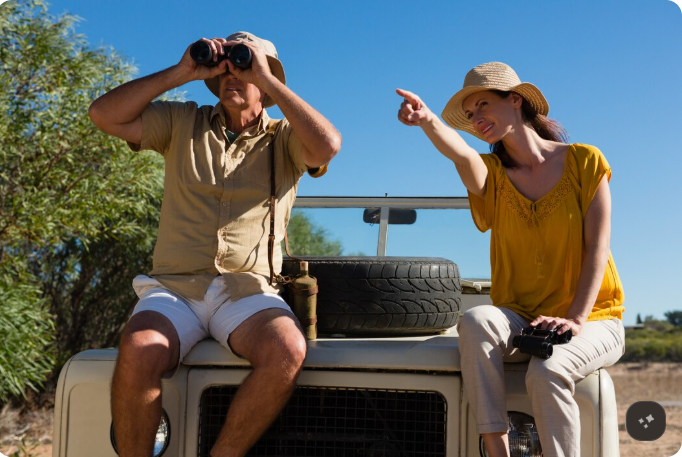
The Ultimate East Africa Safari Experience: Discover the Best of Tanzania, Kenya, Uganda and RwandaIntroduction: Discover the Magic of the Ultimate East Africa Safari Experience
East Africa is one of the world’s most extraordinary travel destinations, offering an incredible combination of wildlife encounters, breathtaking landscapes, rich cultural heritage and unforgettable outdoor adventures. From the endless savannah plains of the Serengeti and Maasai Mara to the mist-covered mountains of Bwindi and Volcanoes National Parks, the region presents travellers with countless opportunities to experience Africa at its most spectacular.
An ultimate East Africa safari experience is more than a traditional wildlife holiday. It is an opportunity to explore several remarkable countries, encounter some of the world’s most fascinating wildlife, discover diverse ecosystems and connect with local communities while enjoying the natural beauty that makes this part of Africa so special.
Whether you dream of witnessing millions of wildebeest crossing the Mara River, tracking endangered mountain gorillas in their natural habitat, searching for tree-climbing lions, exploring the African wilderness on a private game drive or relaxing along the tropical beaches of Zanzibar, East Africa offers something extraordinary for every traveller.
Combining Tanzania, Kenya, Uganda and Rwanda creates an exceptional multi-country adventure that showcases the region’s finest attractions and experiences.
- Experience the Great Wildebeest Migration in Kenya and Tanzania
One of the highlights of an ultimate East African safari is witnessing the spectacular Great Wildebeest Migration. This extraordinary natural phenomenon involves millions of wildebeest, accompanied by zebras and gazelles, moving across the ecosystems of Tanzania’s Serengeti National Park and Kenya’s Maasai Mara National Reserve in search of fresh grazing and water.
The migration is among the world’s most remarkable wildlife spectacles, attracting travellers, photographers and nature enthusiasts from across the globe.
The Serengeti National Park, Tanzania
The Serengeti is one of Africa’s most celebrated wildlife destinations. Its expansive grasslands, scattered acacia trees and seasonal rivers provide an exceptional environment for wildlife viewing.
Visitors can experience different stages of the migration throughout the year, including the calving season in the southern Serengeti, the movement through the western corridor and the dramatic river crossings in the northern Serengeti.
The park is also home to impressive populations of lions, leopards, cheetahs, elephants, giraffes, buffaloes and numerous other wildlife species.
The Maasai Mara National Reserve, Kenya
Across the border in Kenya, the Maasai Mara offers another remarkable opportunity to witness the Great Migration.
The reserve is particularly famous for its dramatic Mara River crossings, where enormous herds of wildebeest attempt to cross crocodile-inhabited waters while predators wait along the riverbanks.
Beyond the migration, the Maasai Mara offers excellent year-round wildlife viewing and opportunities to explore the traditional culture of the Maasai people.
Recommended experience: Combine the Serengeti and Maasai Mara in a cross-border safari itinerary to discover the different stages of the Great Migration and enjoy the wildlife diversity of both countries.
- Encounter Mountain Gorillas in Uganda and Rwanda
An East African safari becomes even more extraordinary when combined with mountain gorilla trekking.
Uganda and Rwanda are two of the world’s most important destinations for encountering endangered mountain gorillas in their natural forest habitats. This experience takes visitors away from the open savannah and into beautiful tropical rainforests, where experienced guides lead small trekking groups through mountainous terrain in search of habituated gorilla families.
Bwindi Impenetrable National Park, Uganda
Bwindi Impenetrable National Park is one of Africa’s most remarkable rainforest destinations and a major stronghold for endangered mountain gorillas.
The forest is characterized by steep slopes, dense vegetation, ancient trees and extraordinary biodiversity.
During a mountain gorilla trekking safari in Uganda, visitors follow experienced trackers through the forest until they locate a habituated gorilla family. Spending a regulated period observing these magnificent primates offers an intimate opportunity to appreciate their social behaviour, family relationships and natural environment.
Bwindi also provides opportunities for birdwatching, forest walks and cultural encounters with surrounding communities.
Mgahinga Gorilla National Park, Uganda
Another exceptional gorilla trekking destination in Uganda is Mgahinga Gorilla National Park, located within the Virunga Mountain range.
The park is known for its dramatic volcanic scenery, bamboo forests and mountain gorillas. Visitors can also participate in golden monkey trekking and guided volcano hiking experiences.
Volcanoes National Park, Rwanda
Rwanda’s Volcanoes National Park is internationally recognized for its mountain gorilla conservation and trekking experiences.
Located within the Virunga Mountains, the park features spectacular volcanic landscapes, bamboo forests and montane vegetation.
A**Rwanda gorilla trekking safari** offers visitors an opportunity to encounter mountain gorillas while exploring one of Africa’s most beautiful mountainous environments.
Travellers can also combine gorilla trekking with golden monkey tracking, cultural experiences and visits to the Ellen DeGeneres Campus of the Dian Fossey Gorilla Fund.
Recommended experience: Combine Bwindi and Volcanoes National Park for a comprehensive Uganda and Rwanda primate adventure, subject to available permits and cross-border travel arrangements.
- Discover the Big Five Across East Africa
No ultimate African safari experience is complete without searching for the legendary Big Five: lions, leopards, elephants, buffaloes and rhinoceroses.
East Africa offers several outstanding destinations for encountering these iconic animals.
Ngorongoro Crater, Tanzania
The Ngorongoro Conservation Area is one of Tanzania’s most extraordinary wildlife destinations. Its spectacular volcanic caldera supports an impressive concentration of wildlife, making it one of the region’s finest places for game viewing.
Visitors can encounter lions, elephants, buffaloes, spotted hyenas, zebras, wildebeest and endangered black rhinoceroses.
A crater game drive is an essential addition to a northern Tanzania safari itinerary.
Tarangire National Park, Tanzania
Tarangire is famous for its large elephant herds, ancient baobab trees and seasonal wildlife concentrations around the Tarangire River.
The park provides excellent opportunities to encounter elephants, lions, leopards, giraffes, zebras and numerous antelope species.
Amboseli National Park, Kenya
Amboseli is among Kenya’s most scenic wildlife destinations, famous for its large elephant herds and magnificent views of Mount Kilimanjaro.
Visitors can enjoy spectacular photography opportunities as elephants move across open plains with Africa’s highest mountain providing a dramatic backdrop.
Akagera National Park, Rwanda
Akagera offers a different but equally rewarding safari environment, featuring open savannah, woodlands, wetlands and beautiful lakes.
The park is home to the Big Five and provides excellent opportunities for traditional game drives, boat safaris and birdwatching.
Its growing reputation makes it an excellent addition to a multi-country East African adventure.
- Explore Uganda’s Extraordinary Wildlife and Primate Experiences
Uganda is one of East Africa’s most diverse wildlife destinations, offering a combination of savannah game drives, tropical rainforests, mountain scenery and remarkable primate encounters.
Queen Elizabeth National Park
Queen Elizabeth National Park is one of Uganda’s most popular safari destinations.
Visitors can explore the Kasenyi Plains for lions, elephants, buffaloes, Uganda kob and other wildlife.
The Ishasha sector is particularly famous for its tree-climbing lions, which are occasionally seen resting in large fig trees.
Another highlight is a boat safari along the Kazinga Channel, where visitors can observe hippos, crocodiles, elephants and numerous waterbirds.
Kibale Forest National Park
Kibale is one of Africa’s most famous destinations for chimpanzee trekking.
Visitors enter the tropical rainforest accompanied by experienced guides to search for habituated chimpanzee communities.
The experience offers an opportunity to observe these intelligent primates as they communicate, feed, socialize and move through the forest canopy.
Murchison Falls National Park
Murchison Falls is Uganda’s largest national park and one of its most spectacular natural attractions.
The Victoria Nile flows through a narrow gorge before plunging dramatically over the falls, creating a powerful natural spectacle.
Visitors can combine game drives with boat safaris along the Nile and visits to the top of the falls.
- Discover Kenya’s Diverse Safari Destinations
Kenya offers an exceptional variety of wildlife experiences, from famous savannah reserves to remote wilderness areas and beautiful mountain landscapes.
Beyond the Maasai Mara, several destinations deserve a place on an ultimate East African safari itinerary.
Samburu National Reserve
Samburu is famous for its distinctive northern wildlife species, sometimes referred to as the Samburu Special Five.
These include the Grevy’s zebra, reticulated giraffe, gerenuk, Somali ostrich and beisa oryx.
The Ewaso Ng’iro River attracts elephants, crocodiles and other wildlife, creating excellent game-viewing opportunities.
Lake Nakuru National Park
Lake Nakuru is renowned for its birdlife, rhinos and beautiful lakeside landscapes.
Visitors can encounter white and black rhinoceroses, Rothschild’s giraffes, buffaloes, zebras and numerous bird species.
Mount Kenya National Park
Mount Kenya offers an entirely different experience from the traditional savannah safari.
The park features dramatic mountain scenery, alpine vegetation, forests and opportunities for guided mountain hiking.
It is an excellent destination for travellers interested in combining wildlife holidays with outdoor adventures.
- Experience Golden Monkey Trekking in Uganda and Rwanda
Golden monkey trekking is another exceptional primate experience available in the Virunga region.
These beautiful, endangered monkeys inhabit the bamboo forests of the Virunga Mountains and are recognized by their distinctive golden-orange markings.
Visitors can track habituated golden monkey groups in Mgahinga Gorilla National Park in Uganda and Volcanoes National Park in Rwanda.
Unlike gorilla trekking, golden monkey tracking often involves observing active groups moving through bamboo vegetation and feeding in the forest.
Combining golden monkey trekking and mountain gorilla trekking creates an unforgettable primate adventure for wildlife enthusiasts.
- Explore East Africa’s Beautiful Lakes and Waterways
East Africa is blessed with remarkable freshwater lakes, rivers and waterways that provide beautiful scenery and unique outdoor experiences.
Lake Bunyonyi, Uganda
Lake Bunyonyi is one of Uganda’s most scenic destinations, famous for its numerous islands, terraced hillsides and peaceful surroundings.
Visitors can enjoy canoeing, boat excursions, birdwatching and cultural visits.
Lake Kivu, Rwanda
Lake Kivu offers beautiful lakeside scenery and relaxing experiences after a gorilla trekking adventure.
Visitors can explore the lakeside towns of Gisenyi, Kibuye and Cyangugu, enjoy boat excursions and discover the surrounding communities.
Lake Victoria
Lake Victoria is Africa’s largest lake and an important geographical feature shared by Tanzania, Uganda and Kenya.
Visitors can enjoy island excursions, fishing experiences, boat trips and lakeside cultural activities.
Lake Manyara, Tanzania
Lake Manyara National Park is famous for its beautiful landscapes, diverse birdlife, large elephant populations and occasional tree-climbing lions.
A game drive through the park offers an excellent introduction to Tanzania’s northern safari circuit.
- Discover East Africa’s Beautiful Beaches and Tropical Islands
An ultimate East Africa safari does not have to end with wildlife viewing. The region also offers beautiful tropical beaches and coastal destinations where visitors can relax after an adventurous safari.
Zanzibar, Tanzania
Zanzibar is one of East Africa’s most famous beach destinations, known for its white sandy beaches, turquoise waters and rich Swahili heritage.
Visitors can enjoy snorkeling, diving, dhow cruises, spice tours and historical excursions through Stone Town.
Diani Beach, Kenya
Diani Beach is a beautiful coastal destination famous for its white sandy shoreline, palm trees and warm Indian Ocean waters.
It is an excellent destination for beach relaxation, water sports and marine excursions.
Watamu and Malindi, Kenya
These coastal destinations offer beautiful beaches, coral reefs, marine conservation areas and opportunities for snorkeling and diving.
Lake Kivu, Rwanda
For travellers seeking a peaceful inland retreat, Lake Kivu provides beautiful waterfront accommodation, scenic boat excursions and opportunities to relax after exploring Rwanda’s national parks.
- Experience East Africa Through Its Cultures and Communities
East Africa’s cultural diversity adds another important dimension to the ultimate safari experience.
Travellers can discover traditional lifestyles, local cuisine, historical sites, music, dance and community conservation initiatives.
Some of the most rewarding cultural experiences include:
- Visiting Maasai communities in Tanzania and Kenya.
- Discovering Batwa cultural heritage around Bwindi and Mgahinga.
- Exploring Rwanda’s cultural villages and historical attractions.
- Visiting traditional communities around Uganda’s national parks.
- Discovering the Swahili culture and historical architecture of Zanzibar.
- Exploring local markets, coffee-growing communities and traditional food experiences.
Responsible cultural tourism creates opportunities for meaningful interaction while supporting local livelihoods and community development.
- Choose the Best Way to Explore East Africa
The ultimate East African safari can be experienced in several different ways depending on travel preferences, budget and the destinations included.
Private Guided Safari
A private guided safari is ideal for travellers who prefer a dedicated safari vehicle, professional driver-guide and personalized itinerary.
It provides flexibility for photography, wildlife viewing and exploring several destinations at a comfortable pace.
Luxury East Africa Safari
Luxury safari holidays combine exceptional wildlife experiences with premium accommodation, private transfers, exclusive safari activities and personalized services.
Travellers can enjoy luxury tented camps in the Serengeti, exclusive lodges in the Maasai Mara and beautiful accommodation near gorilla trekking destinations.
East Africa Self-Drive Safari
For independent travellers, a self-drive safari offers an exciting opportunity to explore East Africa at their own pace.
A reliable 4×4 safari vehicle is particularly useful when exploring remote destinations, rough park roads and cross-country routes.
Travellers can consider 4×4 car rental in East Africa, including vehicles equipped with rooftop tents and camping equipment for independent overland adventures.
However, cross-border vehicle permissions, insurance, park regulations and local driving requirements should always be confirmed before travelling between countries.
Camping Safari
Camping is an excellent way to experience the African wilderness more closely.
Travellers can choose public campsites, designated wilderness campsites and private camps depending on the destination and available facilities.
A camping safari can be combined with a rooftop tent-equipped 4×4 vehicle or a guided camping tour.
- The Best Time to Plan an Ultimate East Africa Safari
East Africa can be visited throughout the year, although the best time depends on the experiences and destinations included in your itinerary.
June to October: This period is generally favourable for traditional savannah wildlife viewing in many destinations. It is also an important period for witnessing migration activity in the northern Serengeti and Maasai Mara, depending on rainfall and herd movements.
January to February: These months are particularly interesting for the wildebeest calving season in the southern Serengeti and offer excellent wildlife viewing in several East African destinations.
March to May: This is generally a wetter period across much of the region. Landscapes become greener, birdwatching can be rewarding and some destinations offer quieter travel experiences. Rainfall patterns vary by location.
November to December: The short rains can create beautiful green landscapes, while wildlife viewing remains rewarding in many parks.
Mountain gorilla trekking is available throughout the year in Uganda and Rwanda, although forest trails can become more challenging during rainy periods.
- Sample 21-Day Ultimate East Africa Safari Itinerary
A 21-day multi-country adventure offers a wonderful introduction to the region’s most remarkable wildlife and natural attractions.
Days 1–2: Arrival in Kenya – Nairobi and Amboseli
Arrive in Nairobi and transfer to Amboseli National Park. Enjoy game drives featuring large elephant herds and magnificent views of Mount Kilimanjaro.
Days 3–5: Maasai Mara National Reserve
Travel to the Maasai Mara for exceptional wildlife viewing, searching for lions, cheetahs, elephants, leopards and the Great Wildebeest Migration when seasonally present.
Days 6–8: Serengeti National Park, Tanzania
Continue into Tanzania and explore the Serengeti. Enjoy game drives across its expansive plains while searching for predators and migrating herds.
Day 9: Ngorongoro Conservation Area
Explore the Ngorongoro Crater, enjoying a full-day game drive in one of Africa’s most remarkable wildlife environments.
Days 10–11: Tarangire National Park
Discover Tarangire’s elephant herds, baobab landscapes and diverse wildlife before continuing towards northern Tanzania.
Days 12–14: Queen Elizabeth National Park, Uganda
Fly or transfer to Uganda and explore Queen Elizabeth National Park. Enjoy game drives, the Kazinga Channel boat safari and opportunities to search for tree-climbing lions in Ishasha.
Days 15–16: Kibale Forest National Park
Enjoy chimpanzee trekking and explore the beautiful tropical rainforest.
Days 17–19: Bwindi Impenetrable National Park
Experience mountain gorilla trekking in Bwindi, followed by opportunities to explore the surrounding communities and beautiful highland landscapes.
Days 20–21: Rwanda – Volcanoes National Park and Departure
Cross into Rwanda and explore the beautiful Virunga region. Depending on the itinerary and permit availability, enjoy golden monkey trekking or an additional gorilla trekking experience before departure through Kigali.
Note: This is an ambitious multi-country itinerary. It requires careful coordination of international flights or overland transfers, immigration requirements, vehicle arrangements and activity permits. The Maasai Mara–Serengeti border is not an ordinary tourist vehicle crossing, so the itinerary must use an approved transfer or flight arrangement.
- Why Choose an Ultimate East Africa Safari?
East Africa stands out because of the remarkable diversity of experiences available within one geographical region.
A well-designed multi-country safari allows visitors to:
- Witness the Great Wildebeest Migration in Kenya and Tanzania.
- Encounter the Big Five in several outstanding national parks.
- Trek endangered mountain gorillas in Uganda and Rwanda.
- Track chimpanzees in Kibale Forest.
- Discover golden monkeys in the Virunga Mountains.
- Experience tree-climbing lions in Uganda and Tanzania.
- Explore beautiful lakes, mountains and tropical rainforests.
- Discover East Africa’s diverse cultures and traditions.
- Relax on the beautiful beaches of Zanzibar and Kenya.
- Enjoy private, luxury, camping and self-drive safari adventures.
The combination of these experiences makes East Africa one of the world’s most rewarding destinations for extended African holidays.
Plan Your Ultimate East Africa Safari Adventure
An unforgettable East African safari begins with choosing the right destinations, activities and travel arrangements.
Whether you are interested in a Kenya and Tanzania wildlife safari, a Uganda and Rwanda gorilla trekking adventure, a multi-country Big Five safari or a complete East African overland expedition, our safari experiences can be tailored around your interests, travel dates and budget.
Explore our East Africa safari packages, discover our private guided safaris, or arrange an independent adventure with 4×4 car rental in East Africa.
Let the journey take you across spectacular savannah plains, ancient rainforests, dramatic volcanic mountains and beautiful tropical beaches.
East Africa is waiting to be explored. Start planning your ultimate African safari experience today!
Frequently Asked Questions About the Ultimate East Africa Safari1. Which countries are best for an East Africa safari?
Tanzania, Kenya, Uganda and Rwanda are among the region’s leading safari destinations. Tanzania and Kenya are particularly famous for savannah wildlife and the Great Migration, while Uganda and Rwanda are renowned for mountain gorilla trekking and other primate experiences.
- How many days do I need for an ultimate East Africa safari?
A 14–21-day itinerary provides a good introduction to several major attractions. Travellers interested in exploring all four countries in greater depth may prefer 25–30 days or longer.
- Can I combine gorilla trekking with the Great Migration?
Yes. You can combine the Great Migration in Tanzania and Kenya with mountain gorilla trekking in Uganda or Rwanda. However, careful planning is necessary to coordinate flights, transfers and gorilla permits.
- Is it possible to explore East Africa on a self-drive safari?
Yes. Self-drive safaris are possible in several East African countries. Travellers should choose appropriate 4×4 vehicles, understand local driving regulations and confirm cross-border insurance and vehicle permissions before departure.
- Which is better for gorilla trekking, Uganda or Rwanda?
Both countries offer outstanding mountain gorilla trekking experiences. Uganda provides trekking opportunities in Bwindi and Mgahinga, while Rwanda offers trekking in Volcanoes National Park. The best choice depends on budget, itinerary, accommodation preferences and permit availability.
- When is the best time to witness the Great Migration?
The migration takes place throughout the year as herds move between Tanzania’s Serengeti and Kenya’s Maasai Mara. January and February are associated with calving in the southern Serengeti, while mid-year and later months can offer opportunities to witness river crossings, depending on seasonal rainfall and herd movements.
- Can I include Zanzibar in an East Africa safari?
Absolutely. Zanzibar is an excellent beach extension after a wildlife safari in Tanzania or Kenya. Visitors can enjoy beach relaxation, snorkeling, diving, spice tours and cultural experiences in Stone Town.
- Is an East Africa safari suitable for families?
Yes. East Africa offers family-friendly wildlife safaris, cultural experiences, scenic destinations and beach holidays. However, age restrictions apply to certain activities, particularly gorilla trekking, and should be considered when planning a family itinerary.
- Can I visit all four countries on one safari?
Yes. Tanzania, Kenya, Uganda and Rwanda can be combined into one extended holiday using suitable regional flights and overland transfers. The route should be planned carefully to minimize unnecessary travel time.
- What should I pack for an East Africa safari?
Essential items include comfortable clothing, neutral-coloured safari outfits, sturdy walking shoes, binoculars, a camera, sunscreen, insect repellent and personal travel documents. Gorilla trekking also requires suitable hiking boots, long trousers, long-sleeved clothing and rain protection.