 seolounge
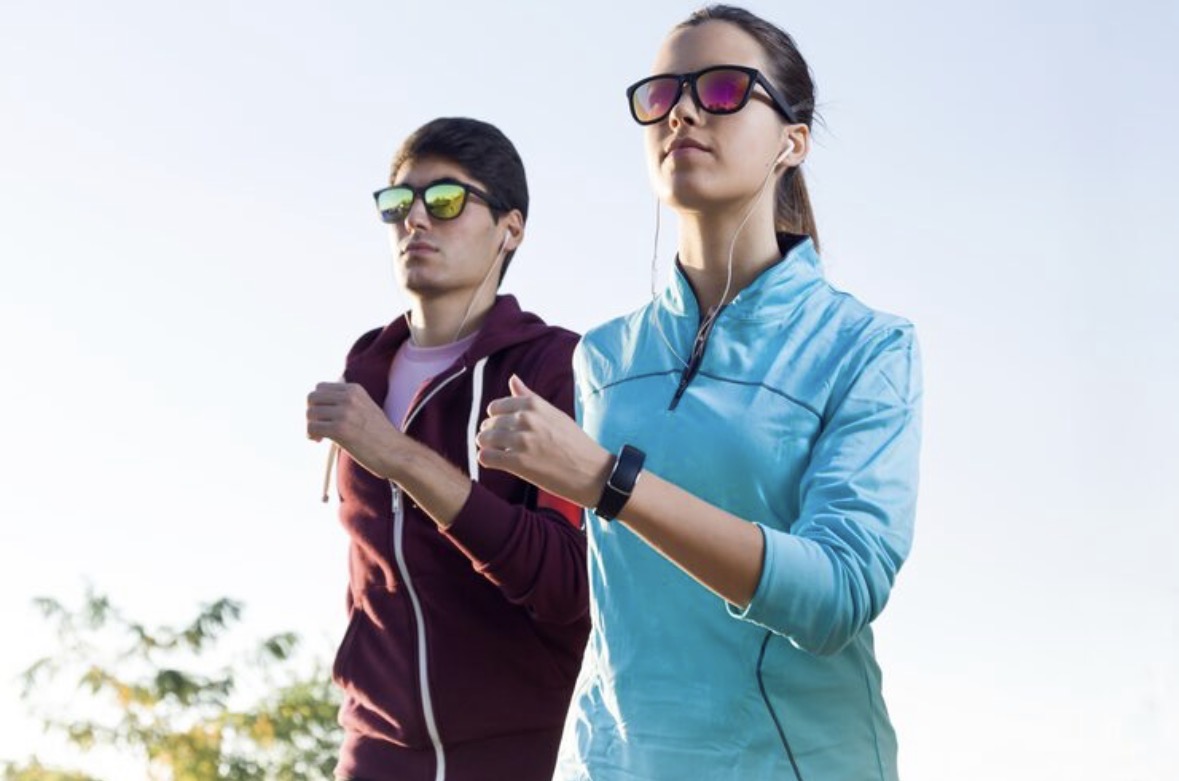
Running gear tends to earn its place through usefulness. Shoes need to feel right over thousands of steps, clothing needs to handle heat and movement, and accessories need to perform without becoming distractions. Sunglasses deserve the same consideration, particularly for runners who regularly train outdoors.
A pair that works perfectly well for driving or sitting at the beach may feel completely different several miles into a run. Weight, stability, coverage, lens performance, and even the shape of the frame can influence how comfortable sunglasses feel while moving. Understanding these factors can make it easier to choose eyewear that disappears into the background while you concentrate on the road or trail ahead.
Why Running Changes What You Need From Sunglasses
Everyday sunglasses spend much of their time in relatively controlled situations. Running introduces repeated movement, sweat, changing light, wind, and sometimes hours of continuous wear.
Even minor annoyances can become significant over distance.
A frame that slowly slides down the nose might require constant adjustments. Sunglasses that squeeze the temples can become uncomfortable during longer sessions. Heavy frames may bounce with each stride, while inadequate coverage can allow bright light to enter around the edges.
That is why running eyewear should be evaluated as performance equipment rather than simply another accessory.
The best pair will depend on the individual runner, but the general goal is straightforward: reliable eye coverage with minimal distraction.
Lightweight Design Can Make a Noticeable Difference
Weight is easy to overlook when trying sunglasses on for a few seconds. During a long run, however, even relatively small differences can affect how eyewear feels.
Lighter frames can reduce the sensation of having something sitting on the bridge of the nose and ears. They may also be less prone to uncomfortable bouncing when paired with an appropriate fit.
This is one reason runners comparing lightweight running sunglasses may want to look beyond appearance and consider how the overall design is intended to perform during active use. Features such as lightweight frame materials, suitable coverage, polarized lens options, and activity-focused construction can all contribute to the experience on the road or trail.
Weight should not be considered in isolation, though. Extremely light sunglasses are not automatically suitable for running if they fit poorly or move constantly. The ideal design combines low weight with a frame shape that remains comfortably positioned.
Stability Matters More Than Tightness
There is an important distinction between sunglasses that are secure and sunglasses that are simply tight.
Tight frames use pressure to stay in position. That might work for a short period, but excessive pressure around the temples or ears can become uncomfortable as a run gets longer.
A secure frame achieves stability through appropriate sizing, balanced construction, and contact points that work with the wearer’s face.
Before committing to a pair, it can help to perform a few simple movement tests:
- Look quickly from side to side and check whether the frame shifts.
- Tilt your head downward to see whether the sunglasses begin sliding.
- Make a few light jogging movements to check for bouncing.
- Notice whether the temples create uncomfortable pressure.
- Check whether the frame interferes with a hat, visor, or headphones.
- Consider how the fit might change once sweat becomes a factor.
The objective is not to find sunglasses that feel locked onto your head. Instead, they should remain predictably in place without demanding your attention.
Think About the Conditions You Actually Run In
Not every runner encounters the same environment.
Someone completing early-morning neighborhood runs has different needs from a runner spending afternoons on exposed trails. Urban runners may encounter frequent transitions between shade and direct sunlight, while runners in open areas may experience consistent bright conditions for much of their route.
Start by thinking about when and where you train most frequently.
Roads and Urban Routes
Road runners often encounter reflective surfaces, including pavement, windows, and vehicles. Bright conditions can make glare particularly noticeable.
Good coverage can also be helpful when running into wind or dealing with dust and other airborne debris.
Trails
Trail running introduces rapidly changing light. A route can move from an open, sunny section into dense tree cover within seconds.
Visibility therefore matters just as much as brightness reduction. Runners should choose lenses appropriate for the lighting conditions they encounter instead of automatically selecting the darkest option available.
Coastal and Waterside Routes
Running near beaches, lakes, and other bodies of water can expose runners to substantial reflected glare. Polarized lenses may be particularly appealing in these environments because they are designed to reduce glare from reflective surfaces.
The important point is to match lens characteristics to the actual running environment.
Coverage Can Improve the Running Experience
Frame and lens shape affect more than style.
Larger lenses and wraparound-inspired designs can provide additional coverage around the eyes. For runners, that may help limit peripheral brightness while also providing a physical barrier against wind, dust, small insects, and similar outdoor annoyances.
Coverage becomes particularly noticeable at higher speeds. While runners do not experience airflow at cycling speeds, windy conditions can still cause eye irritation and watering.
At the same time, bigger is not automatically better. An oversized frame that feels heavy or sits poorly may create more problems than it solves.
Balance is the key. Look for enough coverage for the environments where you run without choosing a frame that feels cumbersome.
Don’t Ignore Sweat and Heat
Running generates heat, and warm-weather sessions can produce plenty of sweat. Both factors can expose weaknesses in eyewear that were not obvious when standing in front of a mirror.
A frame that becomes slippery when wet may begin moving as the workout progresses. Repeatedly pushing sunglasses back into position can become surprisingly irritating.
Ventilation is another consideration. Depending on the frame and weather conditions, moisture and temperature differences can contribute to lens fogging. Designs that allow reasonable airflow around the lenses may help reduce this problem.
How sunglasses interact with the rest of your running gear also matters. Hats, visors, headbands, and over-ear or open-ear audio equipment can all occupy space around the temples and ears.
Ideally, runners should think about the entire setup rather than evaluating sunglasses completely on their own.
Durability Matters for Everyday Training
Running equipment rarely receives delicate treatment.
Sunglasses might get tossed into a gym bag, placed on the passenger seat after a workout, carried in a hydration pack, or dropped while adjusting gear. Trail runners can add dirt, branches, and unpredictable weather to that list.
Durability therefore deserves consideration alongside weight.
A good running frame should provide a sensible balance between low weight and resilience. Proper storage still helps, particularly when sunglasses are not being worn. Keeping them in a protective case can reduce unnecessary scratches and accidental damage.
Lens care matters as well. Dirt and grit should be removed carefully rather than rubbed across the lens surface. Small maintenance habits can extend the useful life of eyewear without adding much effort to a post-run routine.
Build Your Gear Around Fewer Distractions
The best running equipment often shares one quality: you barely notice it while using it.
Shoes should not force you to think about every step. Clothing should not require constant adjustment. Sunglasses should follow the same principle.
Rather than selecting eyewear entirely according to trends, think about the annoyances you want to eliminate. Perhaps your current sunglasses bounce, slide when you sweat, feel heavy, or leave too much bright light entering from the sides. Identifying the specific problem gives you a clearer set of criteria for the next pair.
Fit and personal preference will always play a role, but runners can make the decision considerably easier by prioritizing comfort, stability, weight, coverage, and lenses suited to their typical conditions.
Conclusion
Running sunglasses have a relatively simple job, but performing it well requires several design elements to work together. The frame needs to stay comfortably in position, the lenses should suit the environment, and the entire pair should be light enough to avoid becoming a distraction over longer distances.
There is no universal design for every runner. Road conditions, trail environments, climate, running duration, face shape, and personal preferences can all change what feels best.
Approaching sunglasses as part of your running kit rather than an afterthought makes those choices easier. Focus on the conditions you encounter most, identify the problems you want your eyewear to solve, and prioritize comfort over unnecessary complexity. When your sunglasses remain comfortable from the first mile to the last, you can spend less time adjusting your gear and more time enjoying the run.