 seolounge
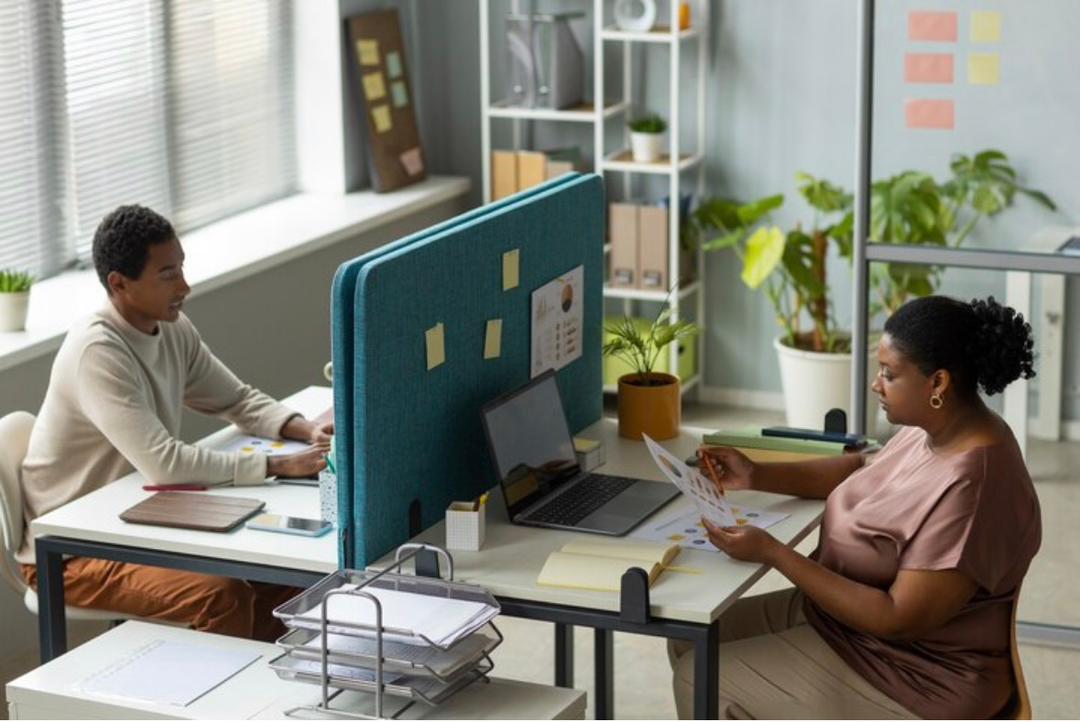
The modern workplace has evolved dramatically over the past decade. Gone are the days when offices were just rows of cubicles and basic desks. Today, businesses recognize that the physical environment plays a crucial role in employee satisfaction, productivity, and overall company success. When it comes to transforming your workspace, investing in quality office furniture design can make all the difference between a thriving team and one that struggles to stay engaged.
The foundation of any great office starts with understanding how people work. Every company has unique needs based on their industry, team size, and work culture. Some teams thrive in open collaborative spaces, while others need quiet zones for focused work. The key is finding the right balance that supports different work styles throughout the day. Modern office furniture isn’t just about aesthetics—it’s about creating functional spaces that adapt to how your team actually works.
One of the biggest mistakes companies make is treating furniture as an afterthought. They invest heavily in technology, hire talented people, but then place them in uncomfortable, poorly designed spaces. This approach is counterproductive. When employees spend eight or more hours a day at their desks, the quality of their seating, desk height, and workspace layout directly impacts their health, comfort, and ability to perform. Understanding workplace wellness strategies helps businesses make informed decisions about their office setup.
Think about your own experience. Have you ever worked in a space where the desk was too high, the chair uncomfortable, or the lighting gave you headaches? Those small irritations add up over time, leading to decreased productivity, increased absenteeism, and higher employee turnover. Smart companies recognize that furniture is an investment in their people, not just a line item on a budget spreadsheet.
The trend toward flexible workspaces has gained significant momentum recently. Companies are moving away from assigned seating toward activity-based working environments. This means creating different zones for different tasks: quiet areas for concentration, collaborative spaces for team meetings, casual lounges for informal discussions, and phone booths for private calls. This variety gives employees the freedom to choose where they work based on what they need to accomplish.
Color psychology also plays an important role in office design. Different colors can influence mood, energy levels, and creativity. Blue tones tend to promote calmness and focus, while yellow can stimulate creativity and optimism. Green creates a sense of balance and is easy on the eyes during long work sessions. Incorporating various colors through furniture, accent walls, and accessories can create a more dynamic and inspiring environment. Research on office color schemes shows these choices matter more than most realize.
Storage solutions are another critical consideration that often gets overlooked. Cluttered workspaces lead to cluttered minds. Providing adequate filing cabinets, shelving units, and desk organizers helps employees keep their areas tidy and organized. When everything has its place, people waste less time searching for documents or supplies, allowing them to focus on meaningful work.
Lighting deserves special attention as well. Natural light is ideal, but when that’s not possible, investing in quality artificial lighting prevents eye strain and headaches. Adjustable task lighting gives employees control over their individual workspace brightness, accommodating different preferences and tasks.
Ultimately, creating an effective office environment requires thoughtful planning and quality furniture that supports your team’s needs. The initial investment pays dividends through improved employee satisfaction, better health outcomes, reduced turnover, and increased productivity. Your office isn’t just where work happens—it’s a reflection of your company culture and values. Make it count.